
Tax Reform Success Depends On Trust, Not Just Enforcement — Nwabueze
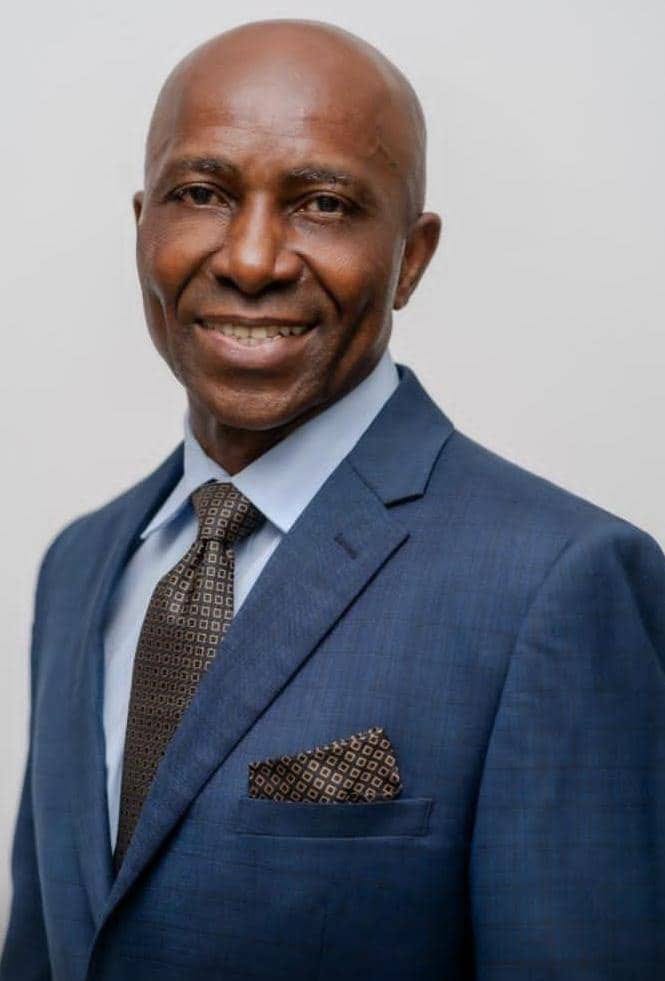
Nigeria's tax reform will only succeed if taxpayers trust the system through which they pay, the Tax Ombud and Chief Executive of the Office of the Tax Ombud, Dr. John C. Nwabueze, has said.
Dr. Nwabueze spoke in Lagos at the 36th anniversary / annual conference of the Finance Correspondents Association of Nigeria, FICAN, themed "Building Taxpayer Confidence and Trust in Nigeria’s Tax Reform Agenda."
He said revenue growth and taxpayer confidence must reinforce each other, commending President Bola Ahmed Tinubu for his "visionary leadership" in driving the comprehensive tax and revenue reform that birthed the Office of the Tax Ombud.
The Tax Ombud also congratulated FICAN on 36 years of deepening public understanding of Nigeria's financial, economic and fiscal affairs, noting that its work helps Nigerians connect policy decisions to their daily lives.
Dr. Nwabueze described the four Tax Acts enacted in 2025 and the Federal Government's transition guidelines as important steps to modernise revenue administration, but stressed that legislation alone is not reform. "The real test is what happens when the law meets the taxpayer," he said.
According to him, the critical questions are whether a small business owner can understand his obligations, whether a company can determine which taxes and levies legitimately apply, whether a taxpayer can get a timely response when an assessment is disputed, and whether the taxpayer believes the system will treat him fairly.
Citing OECD data, he noted that Nigeria's tax-to-GDP ratio stood at 8.2 per cent in 2023, compared with an average of 16.1 per cent across 38 African countries, underscoring the need to strengthen domestic revenue mobilisation. However, he warned that broadening the tax base requires more than enforcement.
Nwabueze stressed that taxpayer rights and responsibilities are inseparable. While tax evasion undermines public revenue and distorts competition, the state has a duty to administer taxes fairly. "Taxpayers are entitled to administration that is fair, transparent, accountable and consistent with the law," he said.
He explained that the Office of the Tax Ombud was established to review and resolve complaints relating to tax, levies, regulatory fees, customs duty and excise matters through mediation. "Let me be clear about our institutional purpose. The Tax Ombud is not an institution established to encourage tax resistance. Neither is it an alternative to lawful tax administration,"
Nwabueze stated. "Our objective is to strengthen confidence in the system by ensuring that legitimate grievances have a credible avenue for consideration and resolution."
On the fintech revolution, he cautioned that technology does not automatically create trust, adding that digitalisation of tax administration should not merely transfer complicated manual procedures to a computer screen, but must make the system simpler, more accessible and more responsive.
Describing financial journalists as a vital bridge between policy institutions and the public, he urged FICAN members to focus on five key areas: explaining the law and its practical implications; examining implementation beyond announcements; distinguishing lawful tax planning from tax evasion; investigating administrative fairness; and promoting financial and tax literacy.
He said the success of the ongoing reforms, championed by the Presidential Committee on Fiscal Policy and Tax Reforms chaired by Mr. Taiwo Oyedele, should not be measured by revenue alone, but by whether taxpayers understand their obligations, whether processes are clear and accessible, whether legitimate complaints are handled fairly and efficiently, whether compliance burdens are reduced, and whether public confidence improves.
The reforms, he added, also address the challenge of multiple taxation and the cumulative burden of taxes, levies, fees and charges on micro, small and medium-sized enterprises.
"Let us build a system in which compliance is supported by understanding, administration is strengthened by accountability, and public confidence grows through experience," he said.