
Mauritius’ Investment-Grade Rating Built On Diversification, Not Resources — Report
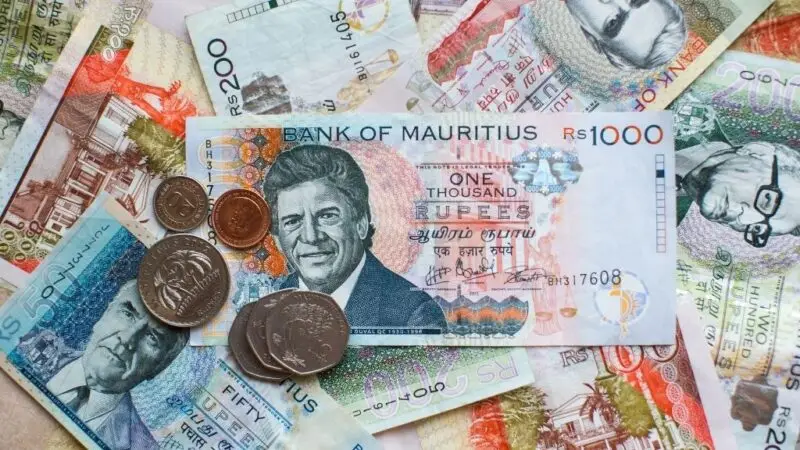
Mauritius offers a different route to investment-grade sovereign credit quality, building its position around economic diversification, a developed services sector, institutional capacity and external buffers, rather than oil and gas revenues.
The country has maintained an investment-grade sovereign rating for many years, although recent fiscal pressures have placed greater emphasis on preserving that position.
Mauritius has progressively moved beyond its traditional dependence on sugar production to develop tourism, financial services, business services and other activities as major contributors to economic activity and foreign exchange.
The financial sector has been particularly significant. The International Monetary Fund, IMF, estimates that the Mauritius International Financial Centre contributes about 8 per cent of GDP, with Global Business Companies accounting for a significant share of inward foreign investment.
In 2025, the economy continued to benefit from tourism and financial services despite a contraction in construction, with real GDP growth remaining positive at 3.2 per cent.
Institutional development has also supported its credit standing, with a relatively sophisticated financial system, strengthened public financial management, access to international capital markets and a broad domestic government securities market.
On the external front, gross international reserves increased to about US$10.3 billion at the end of 2025 and remained within the IMF’s advisable reserve adequacy range, providing a buffer against shocks to tourism, global financial conditions and energy prices.
However, the report notes that investment-grade status does not eliminate fiscal risks. Public debt stood at 86 per cent of GDP at end-June 2025 according to the IMF and is expected to remain elevated over the medium term.
Fiscal consolidation has therefore become critical, with primary deficit projected to narrow to 3.5 per cent of GDP in FY2025/26 from 6.5 per cent previously.
Mauritius retained its investment-grade BBB rating in the latest review, but with a negative outlook amid fiscal concerns, highlighting that while economic and external strengths support its rating, sustained fiscal consolidation remains key to preserving it.