
Leadership, Technology, Inclusion will dene the Future of Finance in Nigeria, Africa – GTBank MD
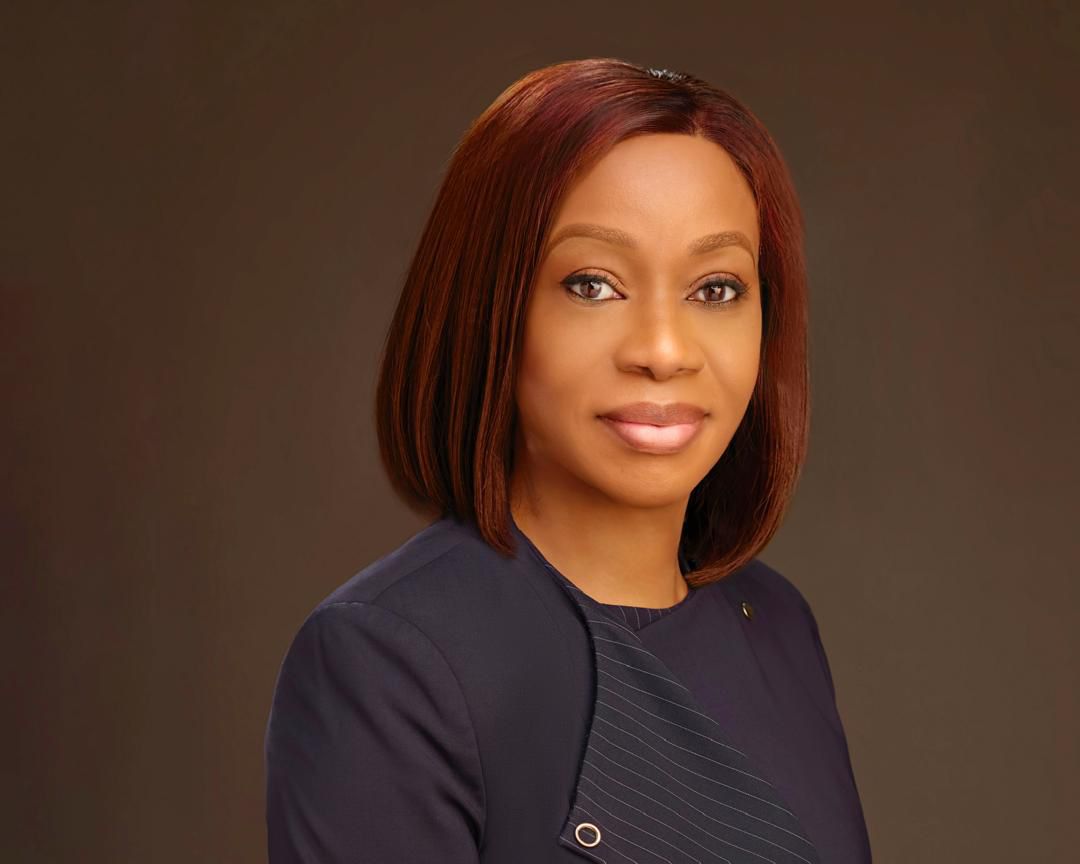
The Managing Director of Guaranty Trust Bank, Miriam Olusanya has identied Leadership, Technology and Inclusion as the forces that will dene true disruption in African nance ecosystem.
Speaking recently as the Keynote speaker at the 2026 Marquee event of the Association of Professional Women Bankers, on the theme, “Disrupting Finance: Women Driving Innovation, Inclusion & Scale”, Olusanya opined that Leadership, Technology, Inclusion and Strength of Institutions will dene true disruption in African nance.
According to the GTBank Boss, the future of nance will not be dened by technology alone, but by the quality of leadership guiding that technology leadership that understands that growth without discipline is risk, leadership which recognizes that access without trust is unsustainable, leadership that is willing to take a long-term view in a world that increasingly rewards short-term thinking.
Speaking earlier, Olusanya noted that, “We must be clear about the forces that will dene true disruption in African nance. The rst is technology, but not technology for its own sake. It must expand access, simplify engagement, and enable institutions to serve customers more e1ciently and at scale.
The second force she opined is inclusion. Inclusion understood not as a social obligation, but as a growth strategy. Her words, “If innovation is about building new systems, inclusion is about ensuring those systems work for everyone. In light of this, women are not just participants; they are multipliers. When a woman gains access to nance, household income stability improves, children’s education outcomes improve, health outcomes improve, and entire communities become more resilient. To overlook these segments is a missed opportunity. Inclusion, when approached strategically, expands markets, deepens engagement, and drives sustainable growth”, she stated.
Still speaking on the forces that will dene disruption in the African nancial ecosystem, Olusanya noted that, “The third force is the strength of institutions themselves”. “Innovation, on its own, does not create lasting impact. Scale does. And scale requires more than ambition. It requires capital strength, governance discipline, operational excellence, and credibility. Financial systems are built on trust, and trust cannot be improvised. It must be earned, reinforced, and protected over time”, she added.
On the barriers limiting women’s disruptive impact on the continent’s nancial ecosystem, Olusanya noted that, “The narrative of women driving nance cannot ignore the barriers that persist. Cultural barriers continue to limit women’s nancial autonomy. Digital barriers, with limited access to smart phones and internet, as well as lower levels of digital literacy. Representation barriers, as too few women occupy leadership roles in nance and ntech or in:uence policy and capital allocation decisions”.
“If we are serious about disruption, we must be serious about dismantling these barriers. True disruption is not simply about building new systems. It is about challenging old assumptions and reshaping who has the power to decide, build, and serve. Closing the digital gap and increasing female representation in leadership, investment committees and policy-making bodies is essential because who sits at the table determines what gets built and who ultimately benets”.