
How GCC Nations Sustained Investment-Grade Ratings — Lessons For Nigeria, Others
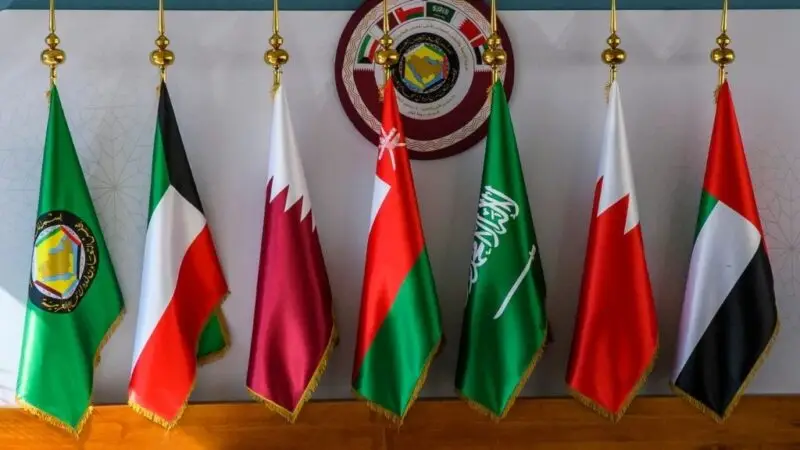
Five of the six members of the Gulf Cooperation Council, GCC, — the United Arab Emirates, Qatar, Kuwait, Saudi Arabia and Oman — currently hold investment-grade ratings ranging from ‘AA’ to ‘BBB-’, showing that resource wealth alone does not guarantee sovereign credit quality.
A review of the GCC experience shows that financial buffers built during periods of high oil and gas revenues have been critical to sustaining ratings.
The United Arab Emirates and Qatar, for instance, have accumulated substantial sovereign assets, while Kuwait holds sizeable government and external financial assets, providing cushion when revenues weaken or shocks emerge.
This has become relevant amid regional conflict and disruptions to energy and shipping routes. Despite heightened geopolitical risks, Gulf sovereigns have largely retained their investment-grade status due to accumulated buffers.
For sovereigns, the lesson is that the ability to withstand difficult periods is often determined by financial room created during better times.
Economic diversification has also strengthened credit profiles. In Saudi Arabia, non-oil economic activity, including government activities, accounted for about 70 per cent of GDP in 2026, up from 65 per cent in 2018, with expanded investment in tourism, logistics, manufacturing, financial services and infrastructure.
Oman provides a clear example of fiscal consolidation, with public debt declining to about 36 per cent of GDP in 2025 from 68 per cent in 2020, and moving from net external debtor in 2021 to net external creditor in 2024, supporting its entry into investment-grade territory.
Kuwait, however, illustrates the need to preserve buffers, as high government spending and oil dependence continue to create fiscal pressures despite large financial assets.
For emerging economies like Nigeria, the report notes that building fiscal and external buffers during favourable periods, prudent debt management, economic diversification and sustained discipline are essential to achieving and maintaining investment-grade status.