
Flight Disruptions: Passengers’ Rights vs. Attacks on Airline Staff
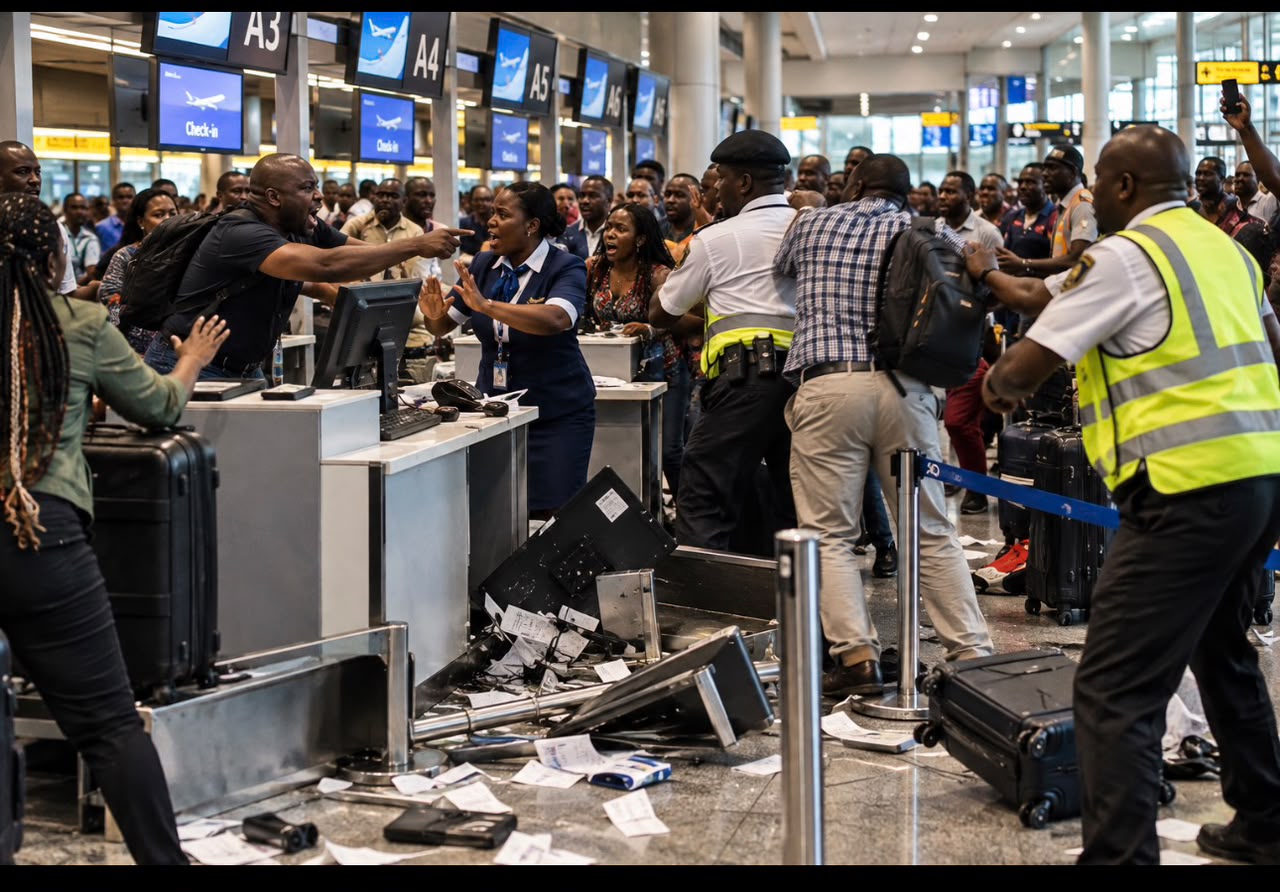
Passengers whose flights are delayed or cancelled have every reason to be upset. Flight disruptions can affect important appointments, business engagements, family events and carefully planned connections. When a flight is delayed for hours or cancelled altogether, the consequences can be frustrating and sometimes costly. Nobody enjoys such situations.
But passengers must also understand that frustration does not give anyone the right to assault airline employees, vandalise airport facilities or take the law into their own hands. Physical attacks on airline staff and destruction of property are criminal acts and should be treated as such. Passengers have legitimate channels through which they can seek redress for delayed or cancelled flights, including the consumer-protection mechanisms provided under Nigeria’s civil aviation regulatory framework and administered by the Nigeria Civil Aviation Authority (NCAA).
I have travelled through airports across Europe, North America, the Middle East and West Africa, and I have rarely seen passengers resort to violence simply because a flight was delayed or cancelled. Even where an individual loses his temper, airport security usually intervenes. Generally, passengers ask questions, demand explanations, seek alternative arrangements or simply wait.
I experienced this again yesterday on a BWI–Houston (USA) flight. The flight was delayed by about an hour. There was no public announcement; the update was provided through the airline’s app. Yet nobody caused a scene. Passengers simply waited.
Before the aircraft even landed, the duty manager announced that, because the flight was full, there might not be enough overhead-bin space and asked passengers to volunteer to check their hand luggage at no cost. Many passengers volunteered, including me. Nobody abused the airline staff for making the request.
This is where our attitude at home sometimes becomes troubling. Nigerians who behave responsibly when travelling on foreign airlines and in foreign airports can suddenly become aggressive and unruly when flying within Nigeria. Airline staff are abused and harassed over circumstances they often have no control over.
No airline wants to delay or cancel a flight. Airline employees do not cause bad weather, technical problems, air-traffic restrictions, airport operational challenges or other unforeseen circumstances. The check-in agent or customer-service representative standing behind the counter is often simply communicating a decision made elsewhere. That person is not responsible for the disruption and is probably just as eager to get home as the passenger is.
There is also a responsibility on the part of airport security. The Federal Airports Authority of Nigeria (FAAN) and other security agencies operating at airports must not stand by while passengers assault staff, damage property or disrupt airport operations. Errant passengers should be restrained where necessary and handed over to the appropriate law-enforcement authorities for prosecution. Allowing such behaviour to go unchecked only encourages others to repeat it.
Passengers, too, have responsibilities. They have every right to demand information, explanations, refunds or other remedies where applicable. Airlines also have a responsibility to communicate promptly and transparently when disruptions occur. Poor communication can understandably heighten passengers’ frustration.
But there is a clear line between demanding your rights and committing an offence.
Let us therefore get the balance right: every passenger whose flight is delayed or cancelled has the right to be angry, disappointed and demanding. What the passenger does not have is the right to assault airline employees, destroy property or resort to self-help.
A civilised aviation system requires both accountable airlines and responsible passengers. One cannot exist without the other.
(c) Fred Chukwuelobe, fnipr